ERROR 2ERROR 2ERROR 2ERROR 2ERROR 2ERROR 2ERROR 2ERROR 2ERROR 2ERROR 2ERROR 2ERROR 2ERROR 2ERROR 2ERROR 2ERROR 2ERROR 2ERROR 2 Main [40] [4] [15] [8] ERROR 2ERROR 2ERROR 2ERROR 2ERROR 2ERROR 2ERROR 2ERROR 2ERROR 2ERROR 2ERROR 2ERROR 2ERROR 2 Extra [15] [10] ERROR 2ERROR 2ERROR 2ERROR 2ERROR 2 ERROR 2ERROR 2ERROR 2ERROR 2ERROR 2ERROR 2ERROR 2ERROR 2ERROR 2ERROR 2ERROR 2ERROR 2ERROR 2ERROR 2ERROR 2ERROR 2ERROR 2ERROR 2 Deck Breakdown Main Deck Extra Deck Archetype Breakdown Deck List ERROR 2ERROR 2ERROR 2ERROR 2ERROR 2ERROR 2ERROR 2ERROR 2ERROR 2ERROR 2ERROR 2ERROR 2ERROR 2 ERROR 2 ERROR 2 ERROR 2 ERROR 2 ERROR 2
Tinker Tinkers a classic example of a cost and effect not quite lining up
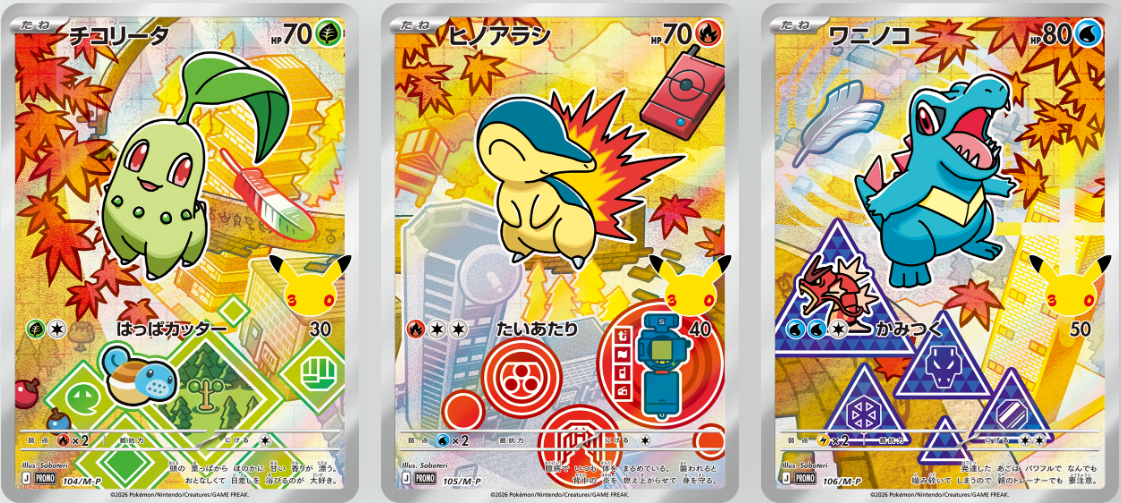
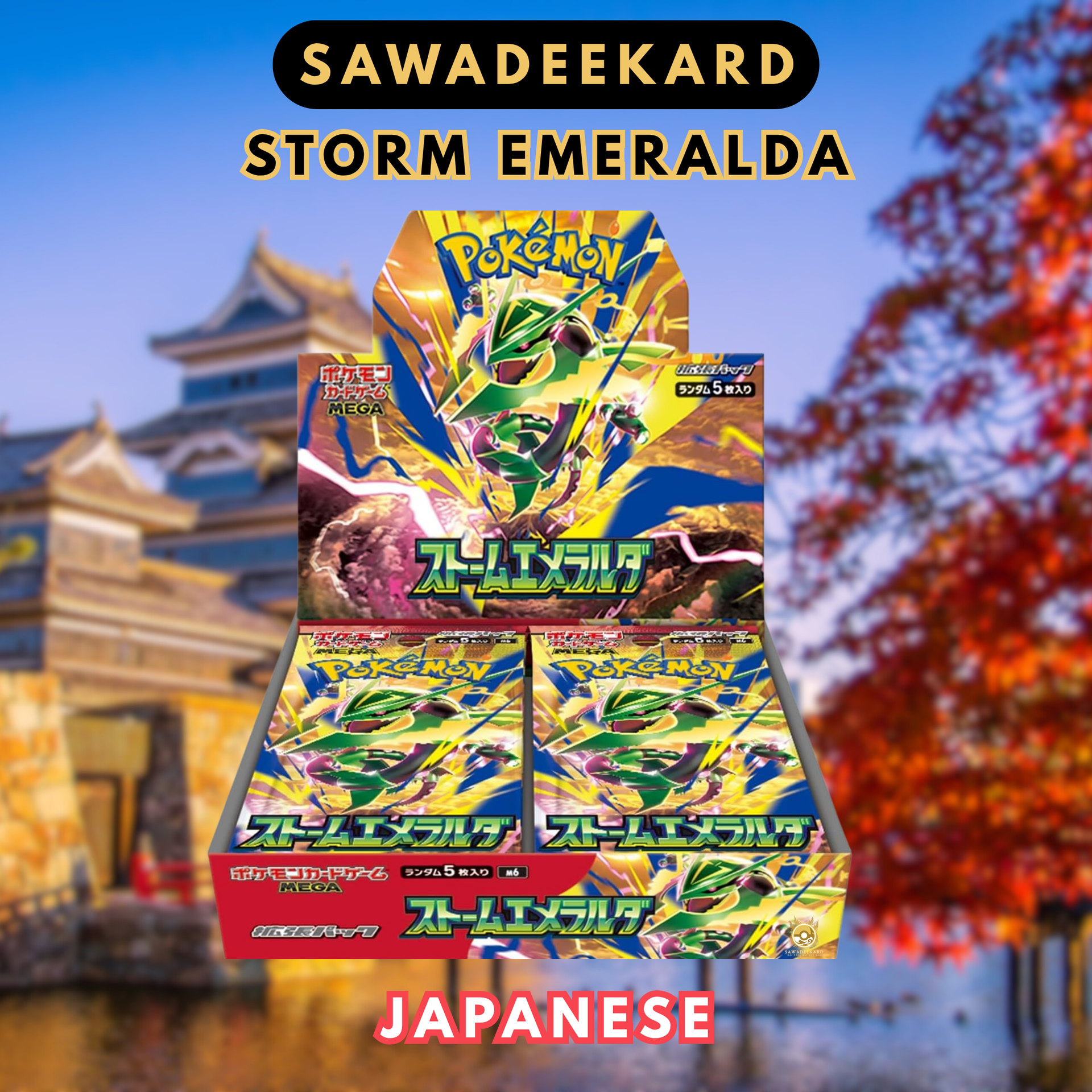
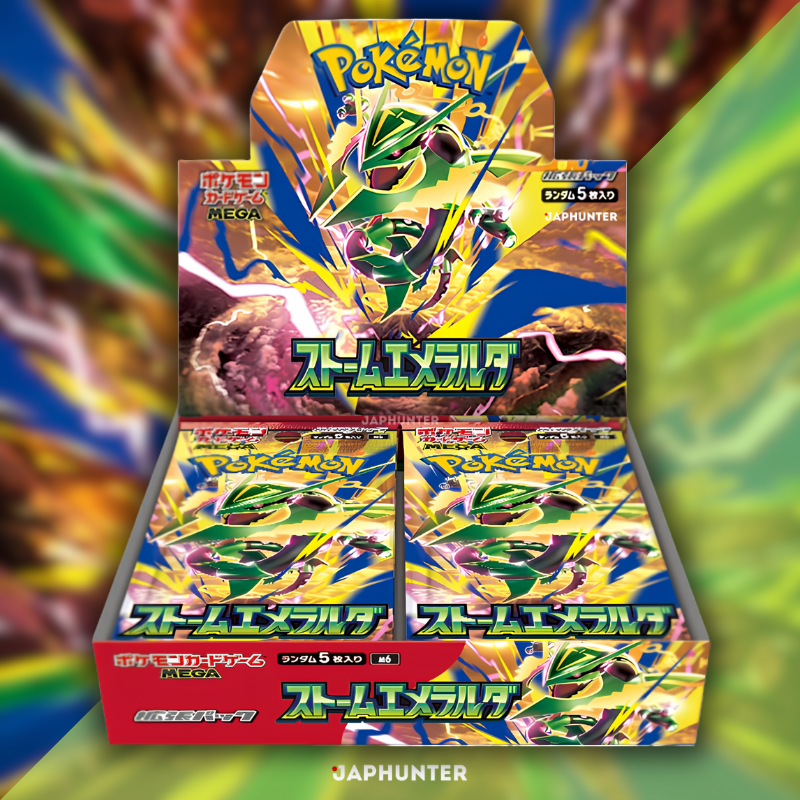
Japanese Pokmon TCG cards are like the directors cut of your favourite movie they often deliver extra details, better quality, and exclusive content that English sets just cant match
The combat phase introduces the dynamic element of creature interactions, involving the declaration of attackers, assignment of blockers, and resolution of damage
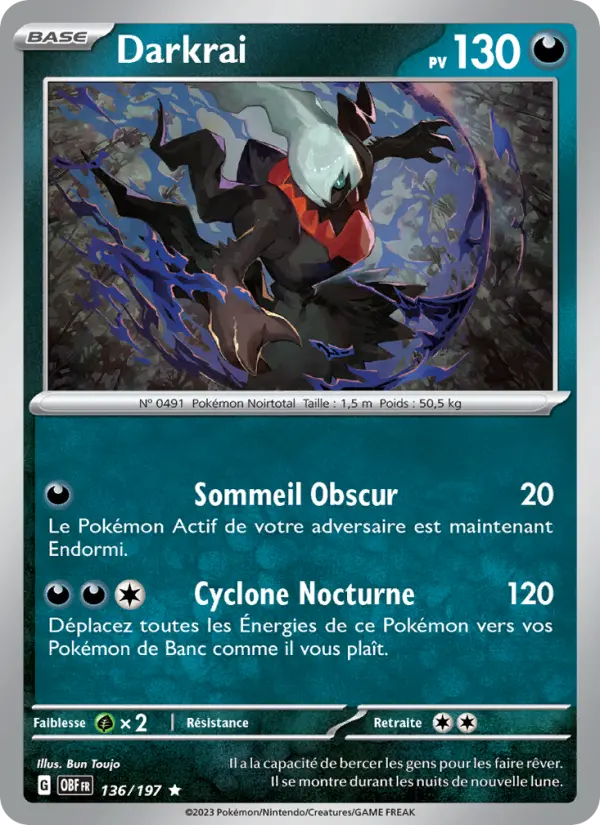
Rarity Symbols Japanese cards use the same rarity system as English cards, marked by symbols in the bottom-left corner next to the collector number: Circle () Common Diamond () Uncommon Star () Rare Double Star or other special marks Ultra Rare, Secret Rare, or other premium rarities Some Japanese exclusive sets use slightly different rarity markers, but the hierarchy remains intuitive once youve seen it a few times
The benefit of these cards is that if you attack with Uxie () or Shuppet (), they can be reused again






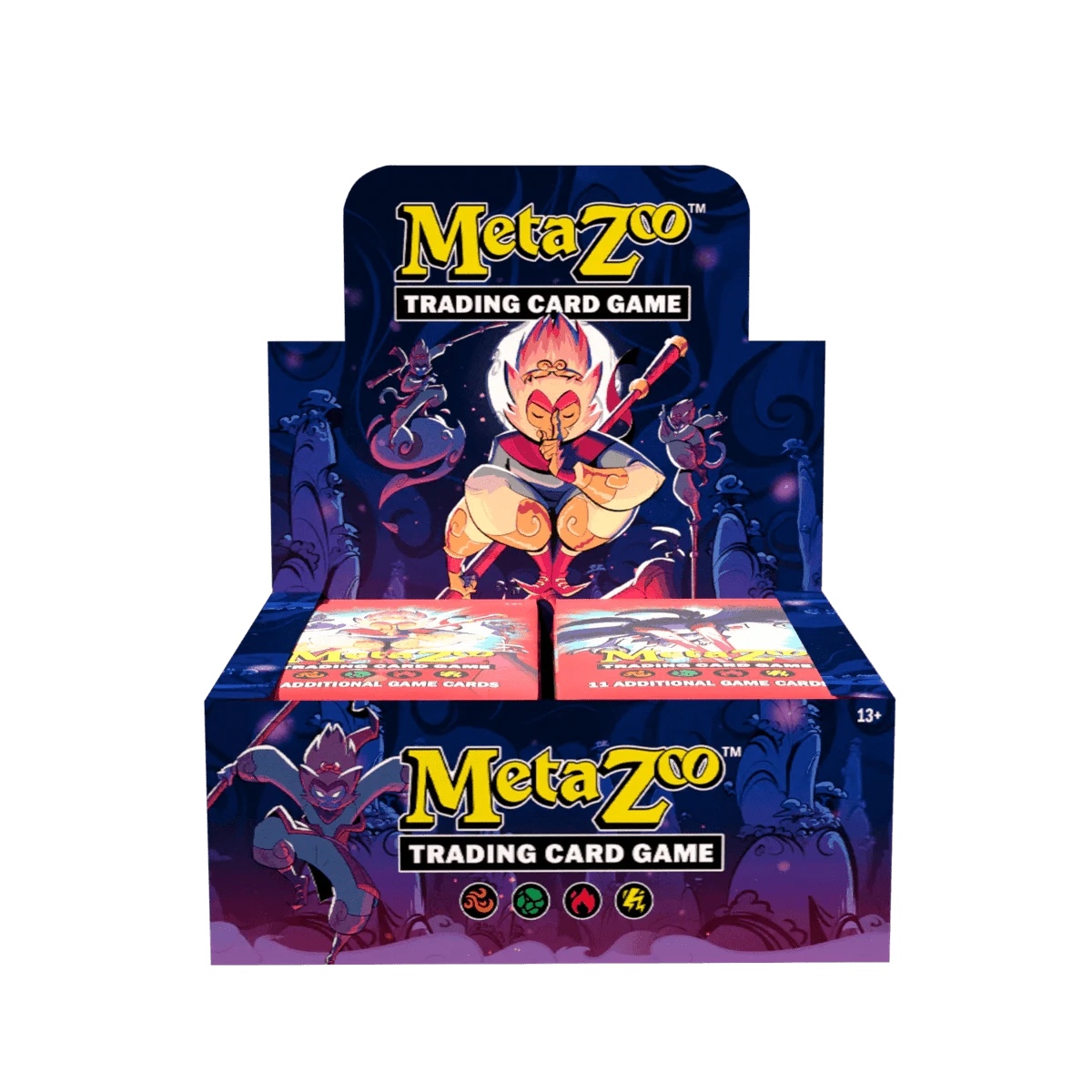
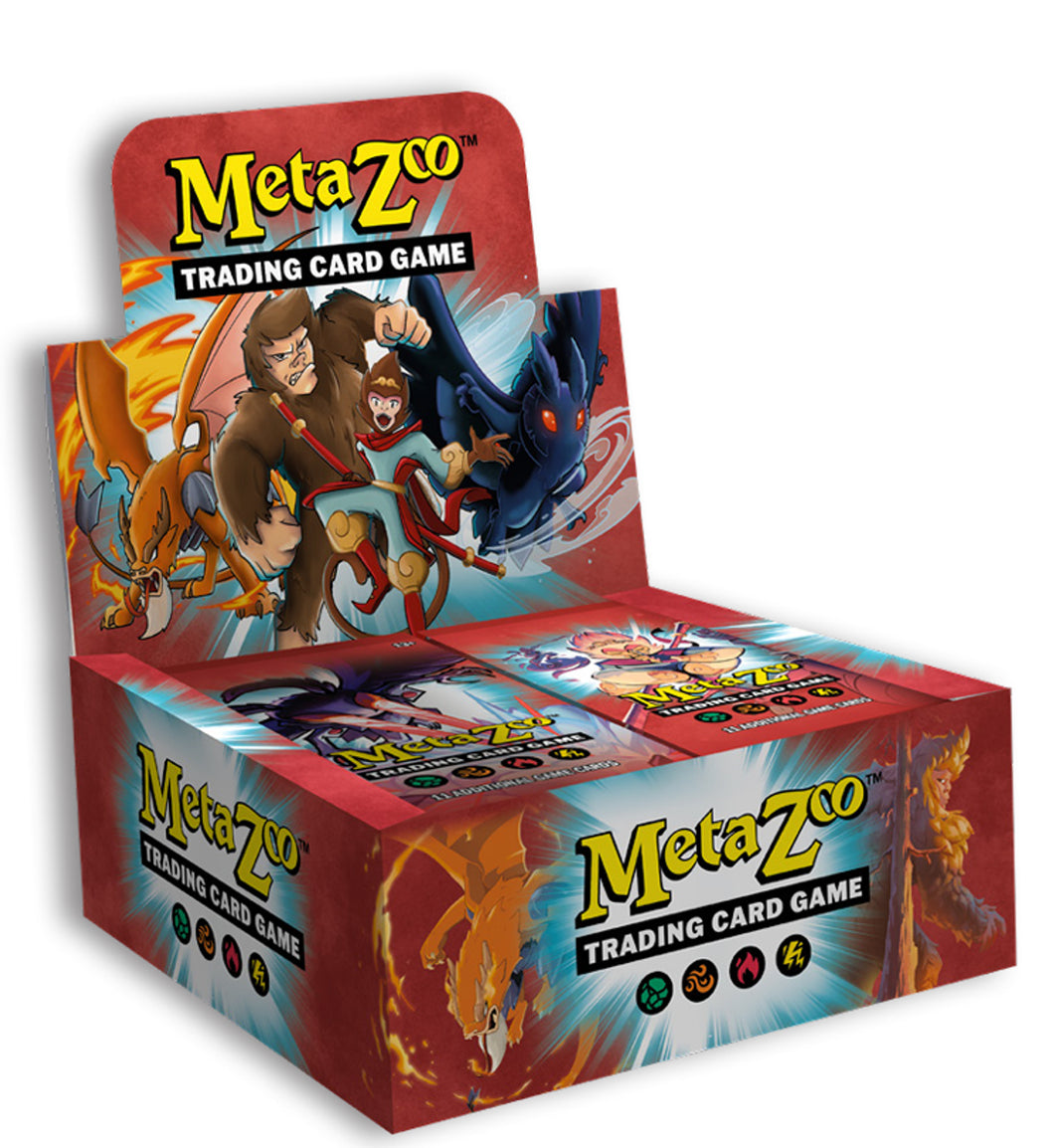
![MetaZoo TCG: 2025 Base Set [Booster Box]](https://bluemistcollectibles.com/cdn/shop/files/9k7dl10o.png?v=1775189622&width=3840)